What makes a restaurant website actually fill tables
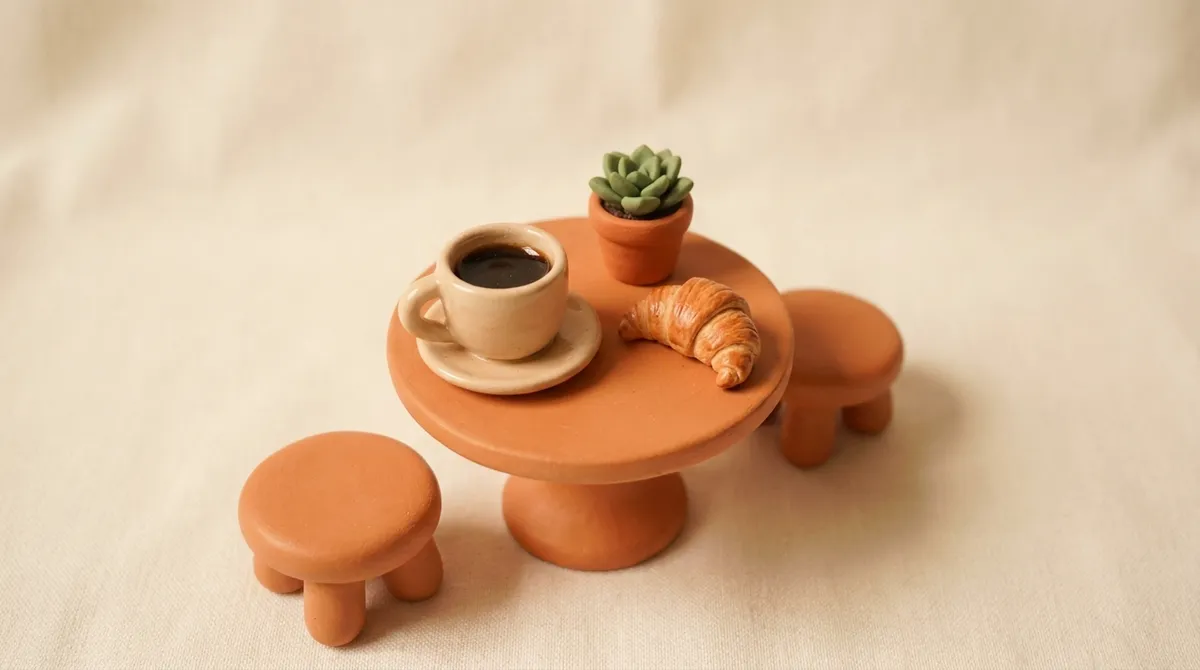
Most people decide whether to eat with you long before they taste your food. They decide on their phone, late in the afternoon, scrolling between two or three options. A restaurant website is not a brochure; it is the moment someone chooses your room over the one down the street.
The good news is that filling tables online comes down to a handful of things done well. Here is what actually moves the needle.
Make booking the easiest thing on the page
The single biggest job of a restaurant website is to take a reservation without making the guest work for it. If someone has to hunt for a phone number, squint at opening hours, or wait for a clunky form to load, you have lost a table you had practically won.
Put a clear “Book a table” button somewhere it can always be seen, on every page, on every screen size. Let people choose a date, a time, and a party size in a few taps, with no account to create and no surprises. The fewer decisions and clicks between hunger and confirmation, the more bookings you keep.
Let the food do the talking
People eat with their eyes first, and online that is all they have. A handful of genuinely good photographs will do more for you than any clever description. We mean real, well-lit images of your actual dishes and your actual room, not stock photos of food you do not serve.
Show the plates you are proud of. Show the table laid for an evening, the light in the window, the bar at its best. The aim is simple: a visitor should feel the atmosphere before they arrive and want to be in it.
Answer the practical questions before they are asked
Most people leave a restaurant website not because they were unimpressed, but because they could not find one small thing they needed. Where exactly are you? Is there parking nearby? Can they bring children, or a dog, or a group of twelve? Are you open on a Monday?
Make the essentials impossible to miss: address with a map, opening hours, contact details, and a clear note on anything you are regularly asked about. A menu that loads instantly as a proper web page, rather than a slow PDF, removes another quiet reason to leave.
Build trust with the room’s real personality
Diners are choosing an experience, not just a meal, and they want to know what they are walking into. A short, warmly written introduction to who you are and what you cook does more than a page of adjectives. Let the tone match the place, whether that is a relaxed neighbourhood spot or a special-occasion table.
A few honest reviews or a line about your story can tip a wavering visitor into a booking. People trust other people, and a glimpse of the human side of your restaurant reassures them that the welcome will be as good as the food.
Design for the phone in their hand
Almost every restaurant booking now begins on a mobile, often while someone is out and about. If your site is awkward to use with a thumb, slow to load on patchy signal, or built for a desktop nobody is using, you are turning away your busiest source of guests.
Test your own site the way a guest would: on a phone, on the move, deciding quickly. Everything that matters, the menu, the location, the booking button, should be within easy reach and quick to load. A site that respects a hurried thumb wins tables a prettier, slower one never will.
A restaurant website is not there to impress fellow designers. It is there to turn a casual glance into a confirmed table, and to make a guest feel welcome before they have even pushed open the door. Get the basics right, let your food and room shine, and the bookings tend to follow.